Author Archives: lilia

A forest a day! July 18: CO003A
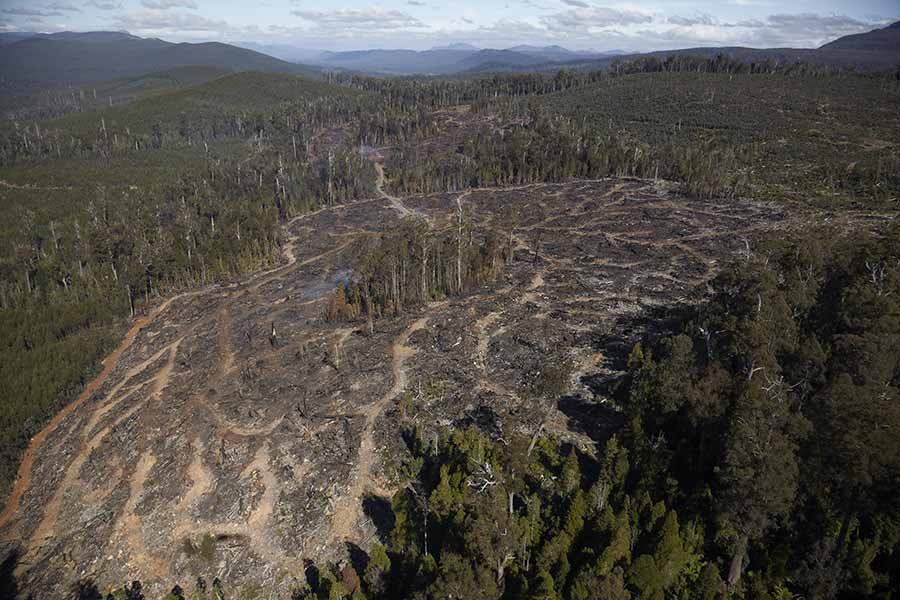
Logging coupe CO003A. Photo by Rob Blakers
The Counsel forests are an area of great ecological significance, containing a high level of floristic diversity. The area consists of predominantly mixed forest with some stands of dry sclerophyll forests and some areas of callidendrous and thamnic rainforests. Still Wild Still Threatened have documented evidence of Tasmanian devils in this area. CO003A is approximately one kilometer from the current Tasmanian Wilderness World Heritage Area. It has been recommended to be included within the boundary. The existing boundary of the TWWHA in this area is considered inadequate as it follows the contour and leaves “the best development of the tall eucalypt system” outside the boundary of the protected area (Hitchcock 2012: 138).
This site is located on rocky terrain and has the potential to feature sink holes and caves. This coupe is just north of one of the most extensive tracts of karst in Australia that has been rated as nationally significant in the Tasmanian Geoconservation Database. Hitchcock recommended that this whole region, including this coupe, be protected in order to maintain the integrity of the karst systems and in particular to keep the catchment pristine.
The Counsel area is known for its tall eucalypts and this coupe was no exception, featuring significant tall trees. Of all the registered “giant trees” in Tasmania there are three main clusters in the state. The Counsel is one of these, “indicative of the superlative form of the tall eucalypt forest in the precinct” (Hitchcock 2012: 138). This coupe and the areas around it are considered to be essentially the last relics of the once extensive tall eucalypt forests in this region. Industrial scale forestry has been increasingly encroaching on this particular tract. Given that so much of the surrounding forest has been decimated, these relics have become increasingly important for conservation (Hitchcock 2012: 137). These forests are also important for regional conductivity, being connected to the Florentine Valley in the south, which also contains significant tall eucalypt forest (Hitchcock 2012: 137). This regional connectivity is one the key reasons for this area to be protected (Hitchcock 2012: 138).
This coupe has sadly been logged now, in a time when it should have been protected by a moratorium. In fact, this coupe was logged just after the March 15th deadline for the original moratorium that was promised by the Statement of Principles, that had been set to cover 572,000 hectares of forest, but was never fully implemented. However, there is still intact old growth surrounding this coupe. Hitchcock states:
“The ENGO proposed reserves include some recently logged coupes and it is considered that these logged areas should never-the-less be included in any protection to ensure as far as possible a consolidated block of forest that facilitates on going natural processes in the protected lands in the longer term” (Hitchcock 2012: 143).
We are calling for immediate formal protection of these forests, the rehabilitation of this site and the immediate cessation of any logging in the Counsel area.
Please CLICK HERE to take a moment to help protect the threatened forests of the Counsel and other high conservation value forests in Tasmania.
For more information about the ‘A forest a day’ project, which is a collaboration between Huon Valley Environment Centre, Still Wild Still Threatened, The Last Stand, Markets for Change and Code Green, please click HERE.
Reference:
Hitchcock, P. (2012), IVG Report 5A: Verification of the Heritage Value of ENGO proposed Reserves [view online]

A forest a day! July 17: WE038A, Wedge Forest
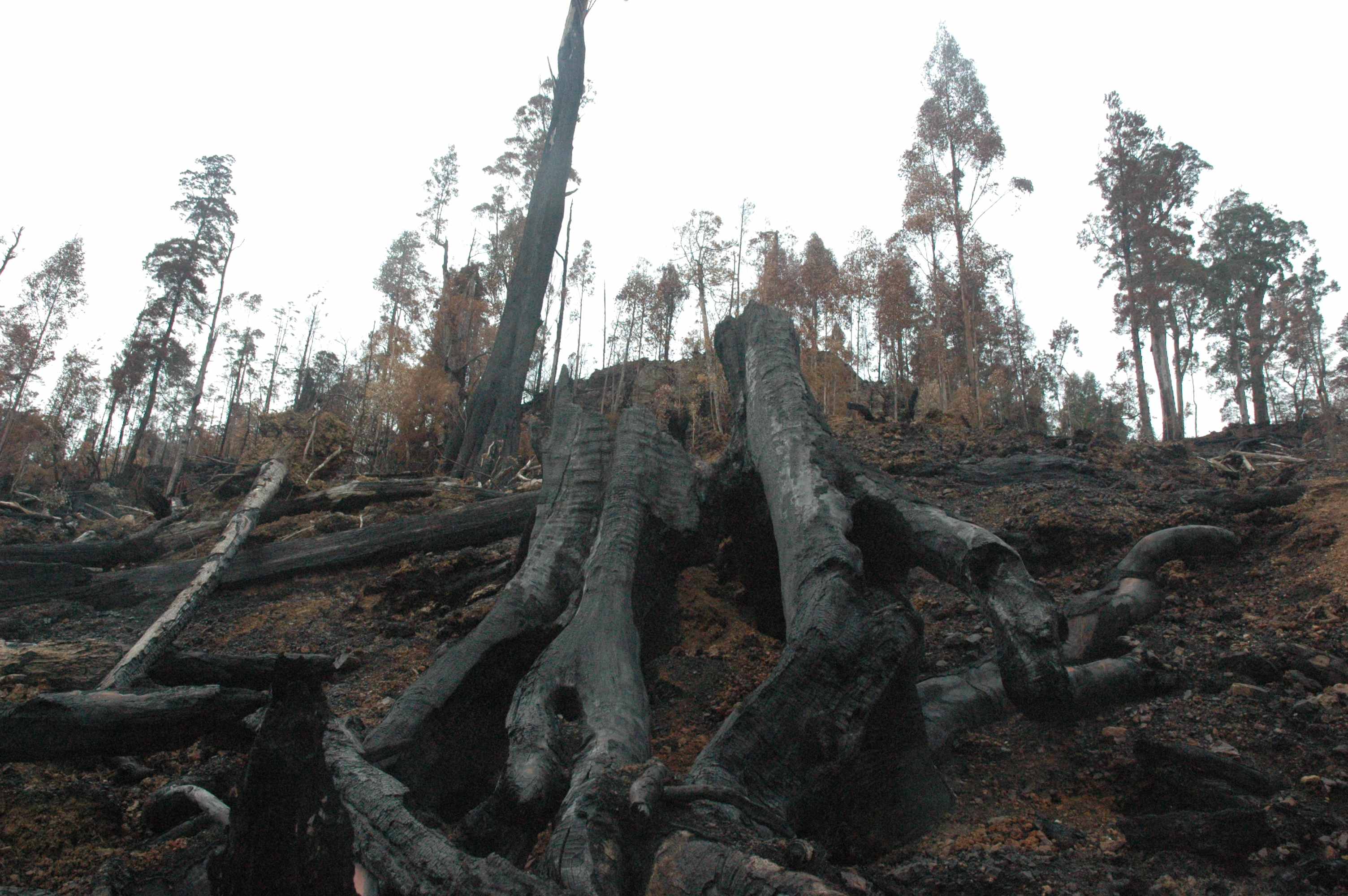
Area cleared and burnt 2008; Photo by Laura Minnebo
This coupe is located in the Wedge forests, south-western Tasmania. It is situated on exceedingly steep terrain, and will therefore be subject to a clear felling cable logging operation. This coupe was already partially logged in 2007 and then subject to high intensity burns in 2008. Forestry Tasmania have now listed the coupe on their current harvest schedule, with a plan to return this year to log an addition 12 hectares (FT 2012).
The coupe is within 500 meters of the current Tasmanian Wilderness World Heritage Area. And this area has been recommended for inclusion into the World Heritage Area (Hitchcock 2012: 112). This forest contains old growth Eucalyptus delegatensis and Eucalyptus obliqua with a rainforest understorey, along with substantial stands of leatherwood. The tall eucalypt value of this forest is one of the key world heritage values. In addition, the area has significant scenic value. It is an integral part of the landscape of the adjoining TWWHA (Hitchcock 2012: 112).
The waterways in this coupe are known to contain rare hydrobiid snail species Phrantela pupiformis (Davis and Monks 2009).This species inhabits streams and can also be found in moss, on small waterfalls and and in fern roots. It is listed as rare in the Tasmanian Threatened Species Act. According to the IUCN Red List “this species may be threatened to a degree by habitat degradation and land clearance from forestry and sedimentation” (IUCN 2012). It has a very small distribution and the recommendation of the IUCN is that further research should be done on the population and potential threats: “In order to maintain the stability of this species’ habitat and water quality, it is advised that not only should the species’ locality be protected, but also the waters upstream” (IUCN 2012).
Please CLICK HERE to take a moment to help protect the threatened forests of the Wedge and other high conservation value forests in Tasmania.
For more information about the ‘A forest a day’ project, which is a collaboration between Huon Valley Environment Centre, Still Wild Still Threatened, The Last Stand, Markets for Change and Code Green, please click HERE.
References:
Davis P and Munks S (2009) Wedge and Tyenna Block Hydobiid Snail Study [view online]
Forestry Tasmania (2012) Three year wood production Plan 2012 [view online]
Hitchcock, P. (2012), IVG Report 5A: Verification of the Heritage Value of ENGO proposed Reserves [view online]
IUCN (2012) Red List of threatened Species [view online]

A forest a day! July 16: SA152B
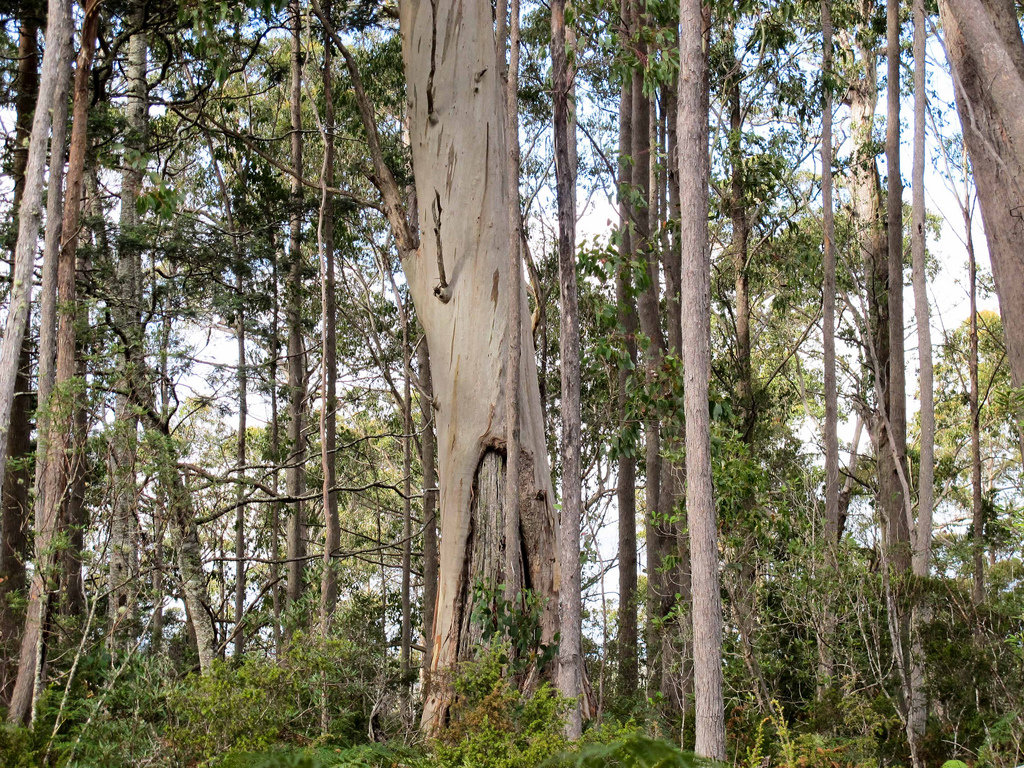
This 45 hectare logging coupe in north east Tasmania is situated within the 572,000 hectares of forests that have been proposed for protection by environment groups and is the subject of ongoing negotiations.
Sadly, it remains on the logging schedule for this year. This is a mixed forest with a diversity of species and a diversity of ages. Old eucalypts, some scarred by fire from the distant past, grow beside younger trees.
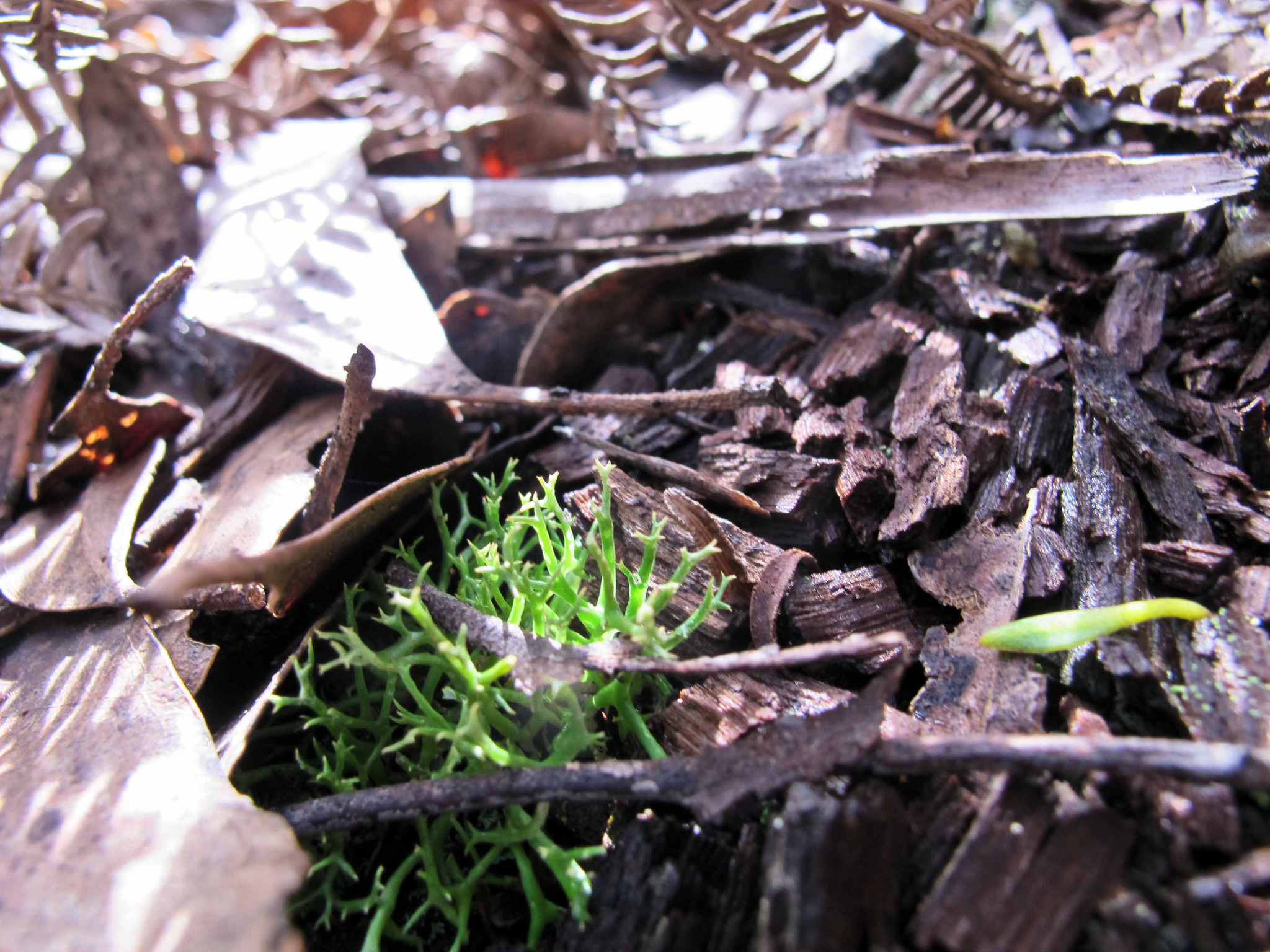
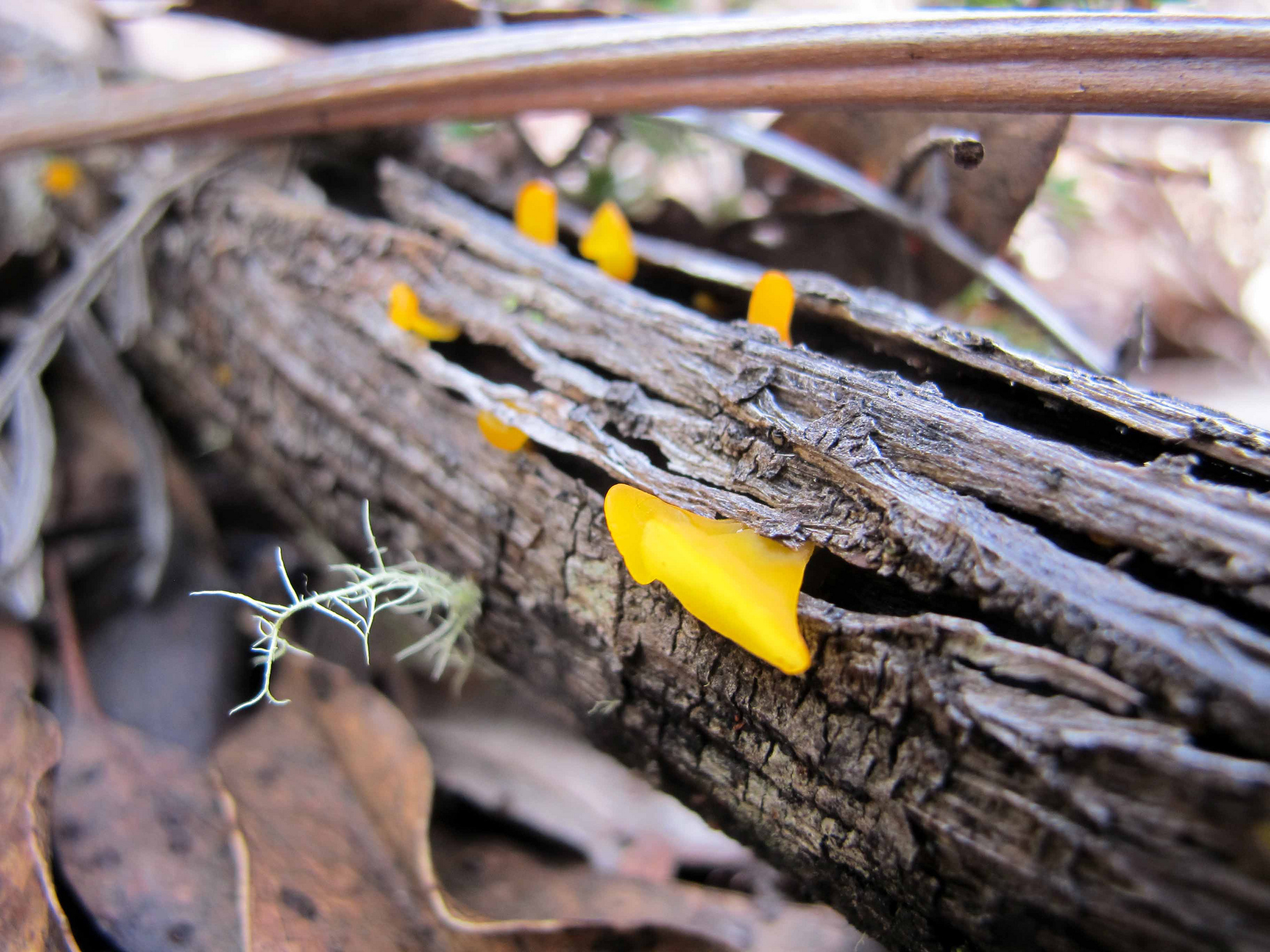
This forest contains a great diversity of lichen and fungi growing in the natural leaf litter on the forest floor, supporting the biological cycling of nutrients into the soil. Such leaf litter and detritus, and the tiny organisms that exist within them, are often destroyed in the high intensity burns that are conducted by the forestry industry following logging
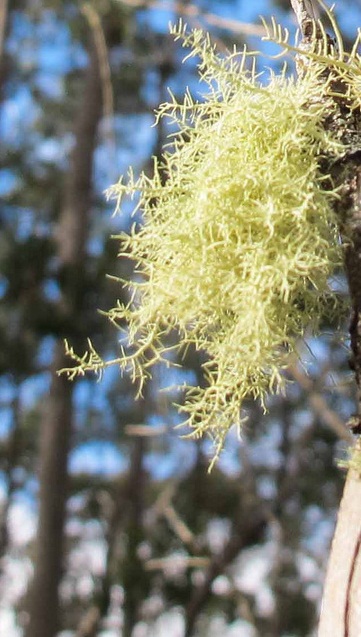 Lichen is a symbiotic relationship between fungi and a photosynthetic organism (most commonly algae). These two are co-dependent, the fungi providing water retention, the algae providing nutrients. One type of lichen common in this coupe is called ‘old man’s beard’ or Usnea. It is known to be sensitive to air pollution, which can restrict its growth to a few millimeters. In an environment with clean air it can grow grow to 10–20 cm long.
Please CLICK HERE and take a moment to help defend Tasmania’s forests.
For more information about the ‘A forest a day’ project, which is a collaboration between Huon Valley Environment Centre, Still Wild Still Threatened, The Last Stand, Markets for Change and Code Green, please click HERE.
Miranda’s Daily Blog: Day 215
This time last week I celebrated my birthday in the tree sit. It was an amazing day with visits from people in the local community and from Hobart. Today I made this little film about the day. Hope you enjoy!
Miranda
A forest a day! July 15: SX028C, Styx Valley

SX028C is an area of intact high conservation value forest that is on the current logging schedule to be logged this year. An area featuring the iconic giant trees of Tasmania’s Styx Valley. These tall eucalypt trees are hundreds of years old and provide critically important habitat hollows that are a unique feature of old forests.
This forest is dominated by Eucalyptus regnans. This species is the tree that the Styx Valley is perhaps the most well-renowned for. These giants are the tallest flowering plant in the world. They are also documented as having the highest biomass carbon stocks (Mackey 2008:28). Protecting forests as significant carbon stores is increasingly critical to mitigate climate change. Old forests such as this one have been shown to have a larger carbon store than industrialised forests, which hold around 40-60% less carbon (Mackey 2008: 6). This is because significant volumes of carbon have been emitted to the atmosphere as a result of logging operations and that the carbon density is never regained on the ground unless the original forest is completely restored.
The understorey features mature wet rainforest, including myrtle, celery-top pine and a diverse array of ferns. The forest floor is abundant with moss, lichen and fungi. This area of forest is within the 572,000 hectares of forests that has been proposed by environment groups and is the subject of ongoing negotiations.
We are calling for an immediate cessation of logging in this area and the formal protection of these iconic old growth forests of the Styx Valley. Please CLICK HERE to take action for the forests.
For more information about the ‘A forest a day’ project, which is a collaboration between Huon Valley Environment Centre, Still Wild Still Threatened, The Last Stand, Markets for Change and Code Green, please click HERE.
References:
Mackey B. et al. (2008) Green carbon : the role of natural forests in carbon storage. ANU E Press

Miranda’s Daily Blog: Day: 213
“Do you ever get sick of the view?” people often asked me. I wonder, how on earth could I get sick of this? No, it’s quiet the opposite. It’s been amazing to see the landscape change over the seasons and even change from moment to moment on a single day. Today was one of those days. I was sitting inside my tarp, listening to the sound of the rain while I typed. When the rain fell silent, I looked out through the gap in the tarp and was filled with a sense of awe. “Wow” I thought to myself, “I can’t believe I live up here! I must be the luckiest person in the world.” I got up and stepped ‘outside.’ The sun was shining softly through a layer of mist, giving the trees in the distance a spectacular green and golden shine. The next moment mist was making it’s way through the valley, creeping it’s long silvery fingers up along the ridges. After a moment of forest watching I went back to my computer work. Soon even the air inside my tarp began to fog up with mist and it was almost getting hard to see my computer screen! I looked out to the landscape once again. I couldn’t see a single thing beyond my tree, just thick white fog. And now the fog is lifting, revealing the forests beneath once more. The colours of the forest are rich and deep, still moist from the rain. And the branches of my tree seem to sparkle with jewels, as the last droplets of rain cling to their underbellies, glistening in the setting sun.
With the seasons changing I have noticed the way it has effected the birds and insects up here. In summer I was busy entertaining a variety of insects, especially an abundant population of spiders. But with the cold weather they just don’t’ seem to be around any more. I saw one spider the other day and was reminded of how much I had struggled to overcome my fear of spiders. I finally got used to the little critters and then they decided to leave me alone!
The birds that visit me are doing their rounds so much earlier now that winter has set in, making use of the minimal amount of sun while it’s still up. In the cold and windy weather they are never quiet as lively. Then as soon as the sun breaks through the clouds that hover above Mount Field, the birds take the opportunity to enjoy the temporary relief from the cold and dark conditions. As do I. So I find myself out on the platform amongst a cacophony of birds.
So maybe you can understand now that some times it’s hard to get work done up here! I just settled back into my typing earlier today and then I heard them come… “bird time!” I thought to myself. The groups of strong billed and black headed honey eaters and the one yellow throat were here. They chatter and chirp their way around the branches of the tree, pecking under strips of bark. I stand on the platform and they are all around me, darting above and below. For a moment this tree is buzzing with activity and then swoop, swoop, swoop… they fly off to continue their rounds in the other trees.
It’s funny how you can just be going about your day and almost stop paying attention to where you are. That is what I was doing as I was getting my dinner ready last night. I had lots on my mind and was just busy thinking about what I needed to do after dinner. When I glanced up and for a moment my mind went blank. And I sat for a minute in silence just looking out at the landscape. At the place frame by two tree branches, where in the distance two mountain ranges meet in a deep valley. The mist was settling into the crevise between the mountains and slowly shifting colours pale pink and golden organge as the sun set on the other side of the sky, sinking behind Mount Mueller. It’s incredible and so hard to describe, those moments when you stop thinking about anything and just let the silence wrap around you. I guess it’s the kind of state that people try to achieve though mediation. Up here it’s easy to have those moments, because the forest lends itself to feeling a sense of peaceful quiet.
And so, how can I get bored up here? Every moment the forest is changing!

A forest a day! July 14: BS115H, Mount Barrow
BS115H, a 60 hectare logging coupe, is located in north east Tasmania close to the Mount Barrow State Forest Reserve. This area was once home to a strong population (often described in plague proportions) of Tasmanian devils (Owen and Pemberton 2005). This species is now listed as endangered in both the EPBC (Environment Protection and Biodiversity Conservation Act 1999) and the TSP (Threatened Species Protection Act Tasmania 1995).
Members of Code Green have been monitoring the Eucalyptus delegatensis forest in BS115H using remote sensor fauna cameras. The results have shown the presence of Tasmanian devils which appear to be healthy and disease free. This is a particularly significant finding for this area, as the devils of north east Tasmania have been impacted most significantly by the effects of the deadly DFTD (devil facial tumour disease). The Save the Devil Program has reported that devil populations in this region of Tasmania have declined by 96% as of February 2011 (Save the Devil Program 2011
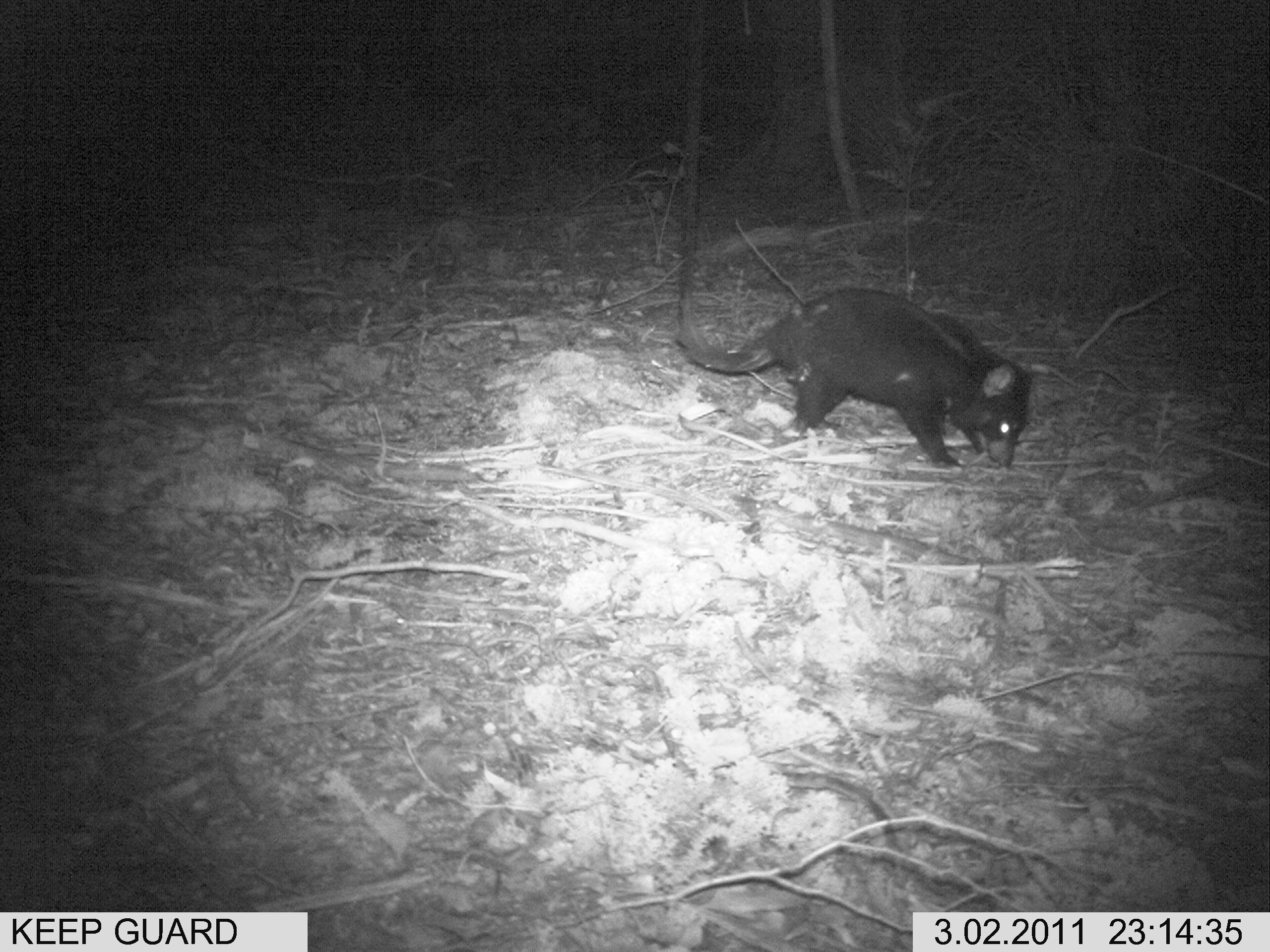
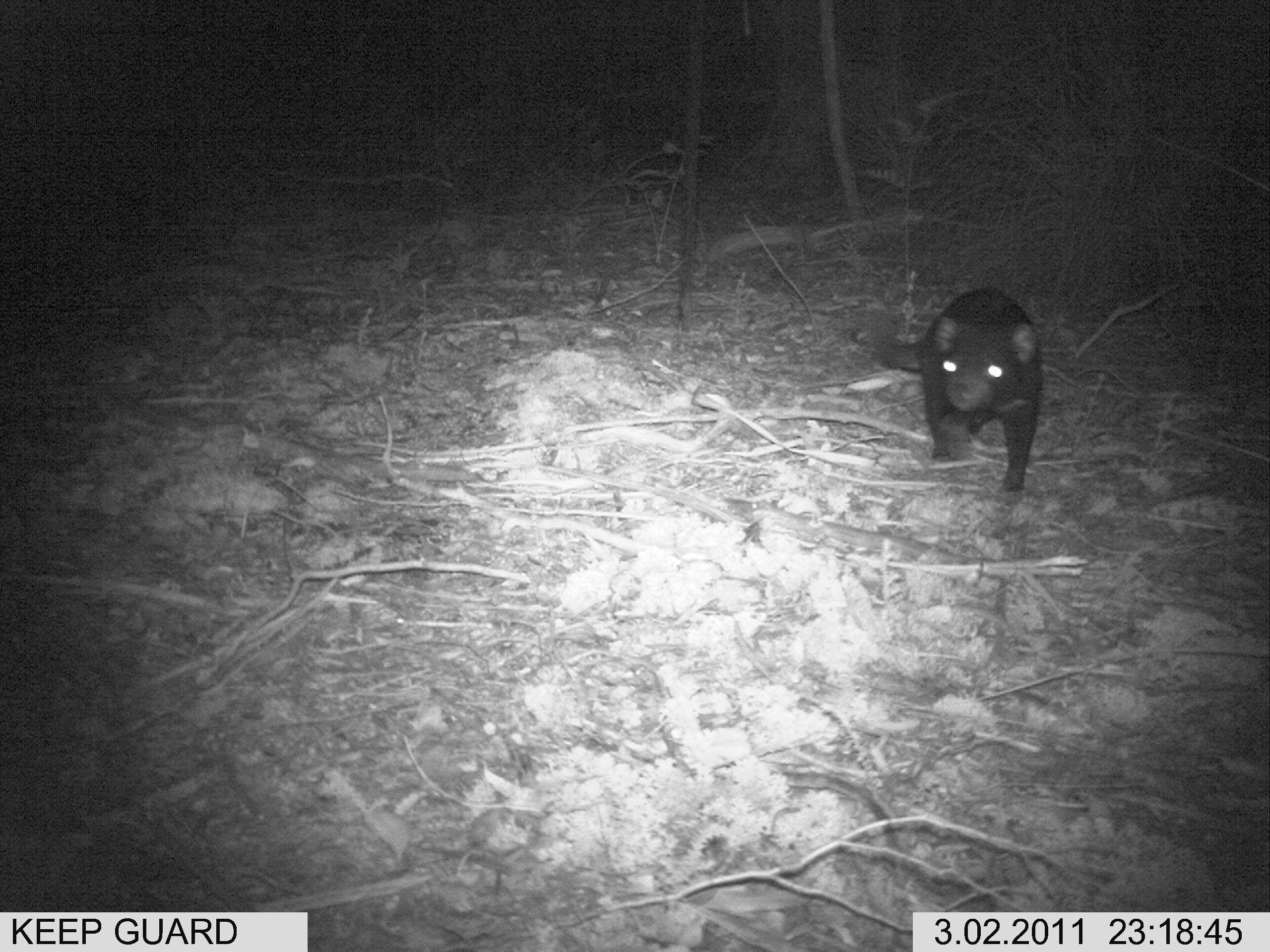
Unfortunately for these devils logging has resumed in sections of this coupe since these images were taken. Such logging activity is potentially threatening the habitat of these devils and other populations in the area. This destruction of habitat has continued on this site despite the fact that this forest was promised protection as part of the Conservation Agreement.
Forestry Tasmania have themselves acknowledged that the forests adjacent to this coupe are potential habitat for devils (Forestry Tasmania 2011). Yet logging has been allowed to proceed. The impact of logging operations on devil habitat and in particular sites where maternal dens occur has been inadequately addressed by the current forestry management systems. According to Dr Peter McQuillan ‘no special effort is made to identify and protect devil den sites in Forest Practice Plans’ (McQuillan 2012).
Please CLICK HERE to take action now to ensure that this area and other forests in Tasmania that provide critical habitat are protected.
For more information about the ‘A forest a day’ project, which is a collaboration between Huon Valley Environment Centre, Still Wild Still Threatened, The Last Stand, Markets for Change and Code Green, please click HERE.
References:
Forestry Tasmania (2011) More Disruption, 4th April, 2011
McQuillan, P. (2012), Report 9A: Critical Habitat, Tasmanian Devil Sarcophilus Harrisii
Owen, D. Pemberton, D.(2005)Tasmanian Devil: A Unique and threatened Animal, Allen and Unwin, Melbourne
Save the Devil Program (2011) Mapping the disease [view online]
A forest a day! July 13: BT011C, Butlers Gorge

Image by Rob Blakers
Nestled deep in the wilderness is an area of forest known to the logging industry as BT011C. Recommended for inclusion in the World Heritage Area this coupe was meant to be in a moratorium many months ago. Yet, in blatant disregard for the very premise of the Tasmanian Forests Inter-Govermental Agreement (IGA) Forestry Tasmania (FT) has preceded to push a brand new road through the pristine forest to give the industry access to BT011C. If this area is close to receiving formal protection, the question remains why FT is spending tax payers money on establishing a new logging road?
Butlers Gorge has exceptional wilderness value, and prior to the advent of logging and new roads within the past decade, it was mapped as “high quality wilderness” [Wilderness Mapping 2006] (Hitchcock 2012: 147). It is absolutely remarkable that this tract of forest escaped, for as long as it did, the onslaught of logging that has ravaged so many places around Tasmania. It is even more devastating then, that its wilderness qualities should be compromised at this time, when it is on the table as a proposed new reserve.
Only a few kilometers away is the Tasmanian Wilderness World Heritage Area, which holds as one of its major reasons for protection its “wilderness quality” (Parks and Wildlife 2004). The maintenance and enhancement of this quality is one of the major objectives of the TWWHA management Plan (Parks and Wildlife 2004). The remoteness and wilderness value of an area is severely compromised by the encroachment of logging operations. For this reason forestry operations need to end immediately in Butlers Gorge. The new road to BT11C should never have been built, but it is not too late to ensure that it is never used by log trucks or forestry machinery.
The IVG report states “Only with the recent advent of roading and selective logging has the wilderness quality been eroded but with cessation of logging and some rehabilitation, this outstanding tract of tall eucalypt forest could again be restored to wilderness condition” (Hitchcock 2012: 146).
Please CLICK HERE to take a moment to help protect BT011C and other high conservation value forests in Tasmania.
For more information about the ‘A forest a day’ project, which is a collaboration between Huon Valley Environment Centre, Still Wild Still Threatened, The Last Stand, Markets for Change and Code Green, please click HERE.
References:
Parks and Wildlife Service (2004) State of the Tasmanian Wilderness World Heritage Area—an evaluation of management effectiveness, Report No. 1 (Summary Report), Department of Tourism Parks Heritage and the Arts, Hobart Tasmania
Hitchcock, P. (2012), IVG Report 5A: Verification of the Heritage Value of ENGO proposed Reserves, p. 77 [View online]

Miranda’s Daily Blog: Day 211
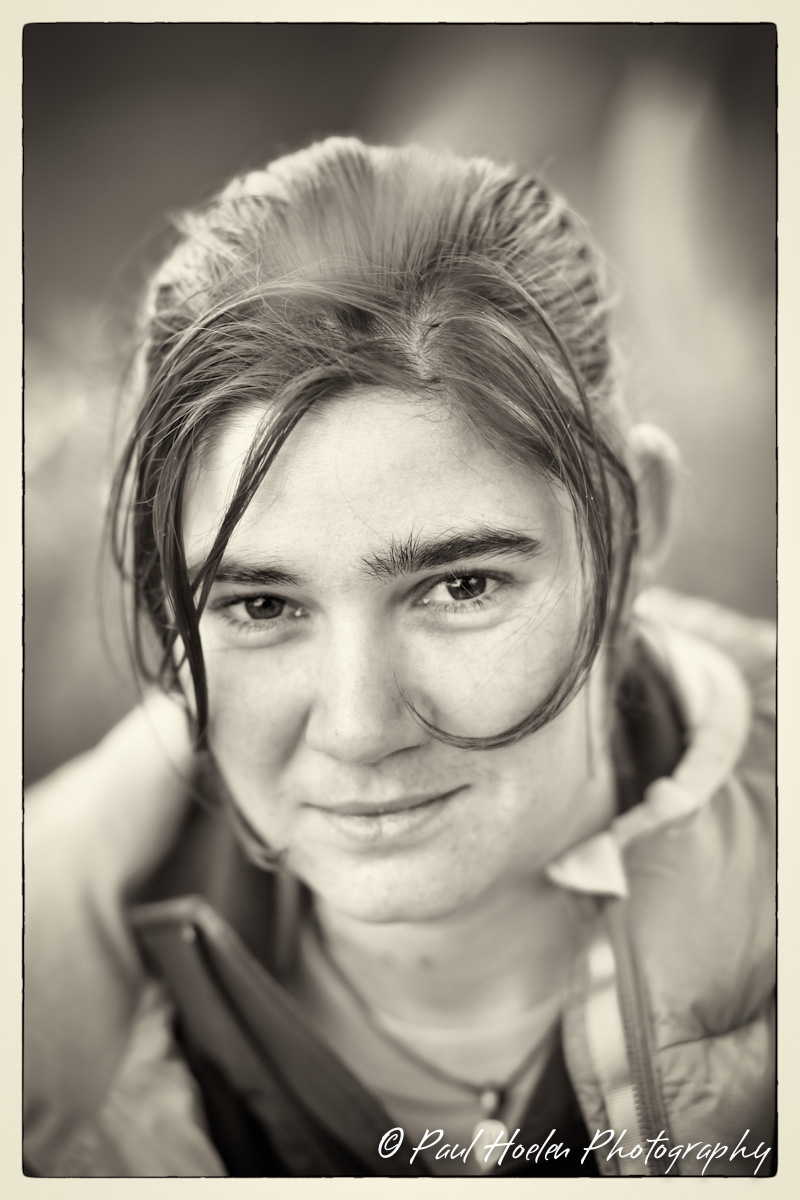
Photo by Paul Hoelen
How does it feel to be an Australian record holder? That is the question everyone is asking me since Tuesday, when I broke the National record for the longest time spent in a tree, after 209 days up here.
Well, to be honest, I wish I wasn’t a record holder. I wish more than anything that this forest had been protected a long time ago. I wish that the State and Federal government had honoured the promise they made back in August last year, and placed this forest under a conservation agreement as they said they would.
I wish that the forest negotiations had concluded and provided secure legislated protection for Tasmania’s high conservation value forest. And I could have got down and got on with my teaching career, knowing that Tasmania’s unique environment would still be in tact for my students to enjoy when they are grandparents! Because I’m not up here to break any records, I am here because I want to see the next generation of Tasmanian’s be able to experience the unique beauty of these world-class forests that we have on our doorstep. I’m here because I don’t want to be in a class-room one day teaching about how the Tasmania devil became extinct. We already have to tell the sad story of the last Tasmanian tiger, that was in fact caught not too far from where I am now. I think we have lost enough species in Tasmania and in fact in the world, and now it is time to prioritise conservation.
Over 560,000 hectares of forest in Tasmania has now been identified by a government-endorsed independent team of scientific experts to be of world heritage and national heritage value. Over half of the area is important habitat for devils, with the remainder also being significant in providing corridors between core habitat. Aside from devils, these forests also provide habitat for a range of other threatened and endangered species, including goshawks, wedge tail eagles, quolls, masked owls, hyrdrobiid snails… the list goes on.
And what’s more, protecting the forests is not only critical right now for species of the animal kind, it is vitally important for the people of Tasmania, including those people working in the forestry industry. The industry is in a state of crisis. It has been admitted by industry bodies and unions, and has lead to the involvement of these groups in the forest negotiations. The industry as it currently exists is not economically viable and is instead propped up by tax payer money. And it seems that if native forest logging is entrenched the industry is looking down the barrel of a collapse. The best way to secure jobs for the future is to transition the industry into a sustainable industry. And right now that is what Tasmania is holding it’s breath for, waiting to see what comes out of these negotiations, due to wrap up in a few weeks time.
It is time for Ta Ann to stop the destruction of these forests. This Malaysian logging company has already done enough damage in Tasmania. Not only have they been identified by official documentation to be the key driver behind the ongoing destruction of high conservation value forests, they are also misleading their customers. They are responsible for selling wood from these forests on the international market as environmentally friendly “eco-ply.” The company has made claims that their wood is sourced from plantations or managed regrowth. Yet, it is their demand for wood that is the reason my tree and the forest around me are under threat. This is not a plantation forest, and the tree I’m sitting in is hundreds of years old.
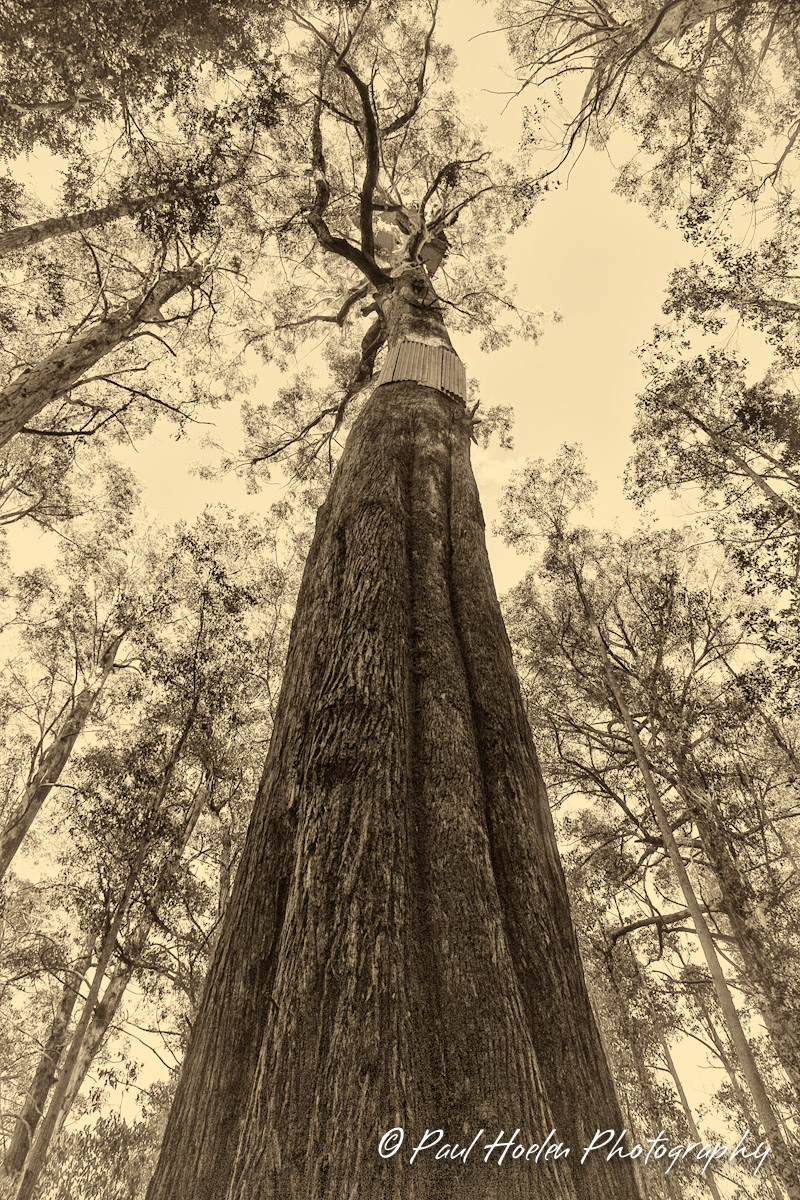
The Observer Tree. Photo by Paul Hoelen
And so, I guess if I think about it, I am proud that I now have the Australian record for the longest tree sit. Because even though I wish I didn’t have to be up here, the reality is that I do. Every day that I have sat in this tree is another day that world heritage value forests are lost. And for that reason I am proud to be here, speaking up for these forests and for the future of Tasmania. Being up here I have been able to remind people here and around the world of the critical importance of securing forest protection. And through reading this blog so many people have come on board in helping to take action for these forests. Please, if you haven’t already, take a moment now to sign the cyber action (click here).
A forest a day! July 12th: BS101D, Mount Barrow

BS101D, Mount Barrow. Image by Kip Nunn
Bordering the Mount Barrow Forest Reserve, this 30 hectare logging coupe is part of a cluster of areas nominated for protection in Tasmania’s north east. This forest contains significant national heritage value. A key issue with the forest reserve system in north-east Tasmania is the current lack of connectivity between reserves. By adding tracts of forest to the existing reserves, there will be greater connectivity, providing critical habitat corridors for a range of species. In recommending this area for protection, Hitchcock paid attention to the “value of recognisable corridors for achieving long term biological conservation.” (Hitchcock 2012: 265) and stated that “for connectivity to be effective the connecting corridors must as far as practicable be capable of facilitating movement of all relevant species, not just a particular species” (Hitchcock 2012:265).
This coupe features a Eucalyptus obliqua and Eucalyptus delegatensis canopy with a rainforest understorey. Flora species in the area include: sassafras, mountain pepper, musk and daisybush, as well as a diversity of ferns. The coupe is bordered by several streams, and in addition, two creeks run through the area due to be logged (FT 2012:5). These streams are potential habitat for the north east forest snail (FT 2012:9).
Fauna seen in the area includes platypus, wombats and yellow-tailed black cockatoos. In recent field trips conservationists also sighted a number of endangered wedge tail eagles. Fauna cameras have been placed in the area by forest campaign group Code Green in order to monitor for endangered species, including Tasmanian devils. The results of these studies have not been finalised, however the area has been identified as possible habitat for devils and Code Green are looking forward to finding out if there is a healthy population in the area.

BS101D, Mount Barrow. Image by Erik Hayward
Unfortunately, small section of this coupe has been logged, during the time when the coupe should have been under a moratorium. The machines have left, and the majority of the coupe remains intact. But logging could begin again at any time. The major reason for logging in this coupe is to produce peeler billets (such as those required by Ta Ann) (Hoffman 2011: 8).
Please CLICK HERE and take action now to ensure that this area and other high conservation value forests are protected.
For more information about the ‘A forest a day’ project, which is a collaboration between Huon Valley Environment Centre, Still Wild Still Threatened, The Last Stand, Markets for Change and Code Green, please click HERE.
References:
FT (2012) Forest Practises Plan BS101D, Forestry Tasmania
Hitchcock, P. (2012), IVG Report 5A: Verification of the Heritage Value of ENGO proposed Reserves, p. 77 [View online]
Hoffman, O. (2011) Rescheduling Work – January and February 2012, As requested by The Australian Government 21 November 2012 [view online]


 T h e O b s e r v e r T r e e